
Affiliate disclosure: This post contains affiliate links. If you buy through one, I may earn a commission at no extra cost to you. As an Amazon Associate I earn from qualifying purchases.
Winter evenings get long. The sun checks out early, dinner is done, and the phone is right there, glowing like it has something urgent to say. Most nights it doesn’t.
A screen-free winter evening isn’t a purity challenge. It’s a short window where the phone sits somewhere else and you do one real thing with your hands, your brain, or the people in the room. Call it a digital sunset: pick a clock time, park the phone, and let the rest of the night be quieter.
The CDC’s sleep guidance includes turning off electronic devices at least 30 minutes before bedtime, and it notes that adults ages 18 to 60 need 7 or more hours of sleep a day. You don’t need a lab coat for the rest. You need a place to put the phone and a short list of things worth doing instead. (CDC: About Sleep)
Free printable · 1 page · no email needed
Winter Evenings Bingo
24 cozy screen-free ideas, a free square for your own pick, and a five-step digital sunset strip along the top. Mark five in a row on purpose, or just pick one square tonight.
What a digital sunset actually is
Pick a time that fits your life. 8:00 p.m. works for a lot of households. 9:00 works if dinner runs late. The point is the same every night: when the timer or the clock hits that mark, screens that aren’t for a necessary call go away.
That includes the “quick check” that turns into forty minutes of scrolling. It includes the laptop on the couch. TV is your call. Some people count a single show as fine and still want the phone out of reach. Others go fully quiet. Start where you’ll actually stick.
You’re not quitting the internet. You’re ending the open tab for the day. For daytime waits and tote-based swaps, see how to pack an analog bag.
How to start the evening (phone parking, not willpower)
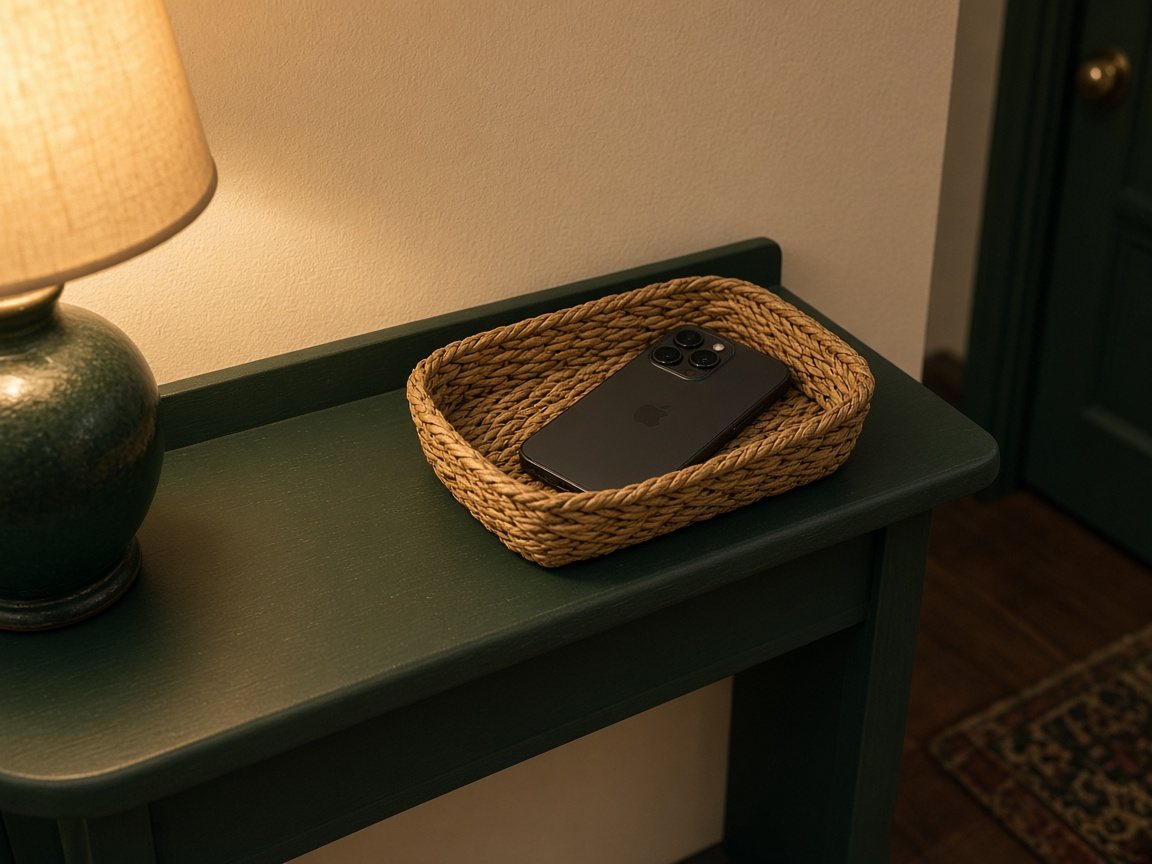
Willpower is a terrible system after dark. A physical parking spot works better.
- Choose the dock. A bowl by the door, a charger in another room, a shelf in the kitchen. Same spot every night so you don’t argue with yourself.
- Set a one-line rule. “After 8, the phone stays in the bowl unless someone calls twice.” Write it on a sticky note if you need the reminder for the first week.
- Use a real timer, not a phone timer. A kitchen timer or a cheap analog clock keeps you from unlocking the thing you just put down.
- Tell the house once. If you live with people, give them a heads-up: “I’m doing a quiet hour after eight. Text if it’s urgent.” Most things aren’t urgent.
- Have tonight’s activity already picked. The bingo card helps. So does leaving a book, a puzzle box, or a mend pile where you’ll see it.
If you miss a night, start again the next one. Resets are allowed. The weekly home reset runs on the same idea: short, repeatable, and done when the timer is done.

30 cozy things to do after dark
Mix these however you want. One good evening beats a perfect plan you never start.
Analog hobbies (hands busy, brain quieter)
- Read a paper book or magazine. No brightness slider. A bookmark is enough progress tracking.
- Do a jigsaw puzzle. Leave it on a tray so you can return without rebuilding the edge every time.
- Knit, crochet, or mend one small thing. A loose button counts. So does a sock heel. Keep a mend pile in a basket and clear one item. The beginner mending basket guide walks through five easy fixes.
- Sketch for ten minutes. A pencil and a cheap pad. Draw the lamp, the mug, the cat. Accuracy is optional.
- Play cards or a board game. Solitaire on paper still counts. Two-player games are better if someone’s home.
- Write a short letter or postcard. Stamp it tomorrow. Handwriting is slow on purpose.
- Learn three chords or practice scales. Quiet instrument, closed bedroom door if the house is sleeping.
- Build with your hands. Model kit, wood scrap project, LEGO leftover bin. Something with a clear stopping point.
Paper and soft admin (useful, not draining)
- Run a light Paperwork Hour slice. Not the full monthly hour. Just open the mail pile and sort keep / pay / shred / recycle. The full system lives in the Paperwork Hour guide.
- Update a paper calendar or planner for the week. Write the appointments you already know. Don’t redesign the whole system at 9 p.m.
- Make tomorrow’s handwritten to-do list. Three items max. Put it where morning-you will see it.
- Write thank-you notes you’ve been avoiding. Five minutes, one note, done.
- Clip recipes you actually cook into a binder. Recycle the rest of the food magazine.
- Sort one photo envelope or print pile. Label the back in pencil. No need to scrapbook the whole decade tonight.
Kitchen, low-waste style
- Prep a “use it up” breakfast or lunch. That half onion and the last eggs become omelets. The fridge reset is the daytime cousin of this move.
- Bake something simple. Banana bread, muffins, a sheet of roasted nuts. The oven warms the kitchen, and you get breakfast out of it.
- Make a big batch of tea or cocoa and sit with it. No phone in the other hand. That’s the activity.
- Portion leftovers into lunch containers. Tomorrow’s you will be grateful, and less food hits the trash.
- Wipe one kitchen zone while the kettle boils. Counters, or the stove front. Stop when the water’s ready.
- Plan one low-waste gift or wrap from stash. Pull fabric, kraft, or a reused bag for a gift you already bought. Pair with the low-waste gifting and zero-waste wrapping guides when you’re ready for the full version.
Home resets that feel cozy (not a cleaning binge)
- Fold a warm laundry pile by the heater or couch. Same-day put-away if you can. See the laundry reset for the weekly version.
- Reset one drawer with a timer set to 10 minutes. Stop at ten even if it isn’t magazine-pretty.
- Make the entryway usable for tomorrow. Shoes paired, keys in the dish, one bag hooked. Sixty seconds of future calm.
- Change the bed sheets and get back under them with a book. The reward is built in.
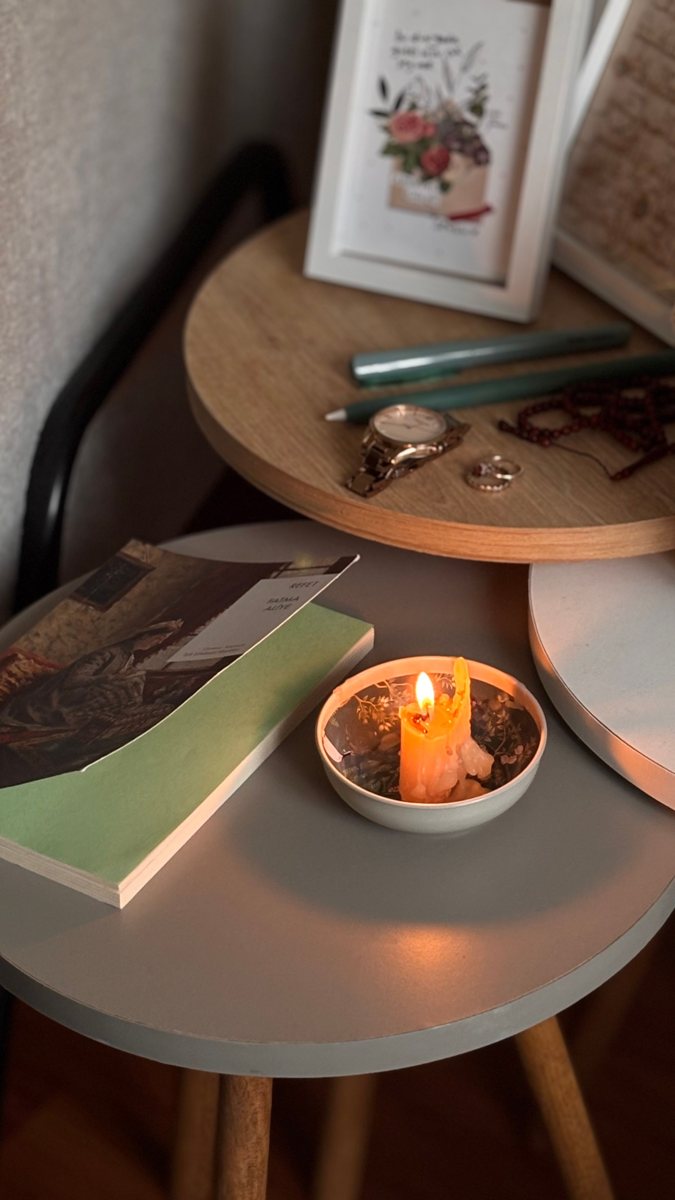
- Candle or lamp check. Swap the harsh overhead for one warm lamp. Dim the room on purpose. (Blow candles out before you sleep.)
Social and offline (people, not feeds)
- Call one person on speaker while you fold or wash dishes. Voice only. No video required.
- Play a “highs and lows” round at the table. Everyone names one good thing and one hard thing from the day. Ten minutes.
- Host a tiny living-room picnic. Blanket on the floor, leftovers on plates, no TV. Kids love this. Adults pretend they don’t, then relax.
- Walk the block after dark if your area is safe and lit. Cool air, no earbuds for one loop. Come home and park the phone again.
- Sit with music from a speaker, not a feed. One album, start to finish. Or silence. Both count.
A simple digital sunset routine (15 to 20 minutes to set up, then nightly)
Use this once, then reuse it all winter:
- Pick your sunset time and write it on the bingo card strip.
- Choose the phone dock and put a sticky note on it for week one.
- Print the Winter Evenings Bingo and stick it on the fridge or inside a cabinet door.
- Circle three squares you already like. Those are your defaults when your brain is tired.
- When the time hits: phone in the dock, timer for the activity if you want a container, stop when you’re done or sleepy.
If sleep is the goal, leave a buffer. The CDC’s “at least 30 minutes” before bed is a floor, not a stretch goal. An hour of quieter evening is even better when you can swing it. (CDC: About Sleep)
Related guides
- Paperwork Hour: A Monthly System for Bills, Mail, and Forms – paper-first admin that fits a quiet evening slice
- The Weekly Home Reset Routine – short timed resets for the rest of the house
- Low-Waste Holiday Gifting: 25 Ideas That Don’t End Up in a Drawer – gifts worth wrapping
- Zero-Waste Gift Wrapping: Furoshiki, Kraft Paper, and Wraps You Already Own – a hands-busy evening project in season
- How to Pack an Analog Bag (and Actually Reach for It) – the tote kit that pairs with phone parking
- More offline reading in Analog Life
Sources
- Centers for Disease Control and Prevention. About Sleep (page last reviewed May 15, 2024). Sleep duration by age; habit tip to turn off electronic devices at least 30 minutes before bedtime.
Save this for later
Pin it to your winter board so tonight’s idea is one tap away (then put the phone down).
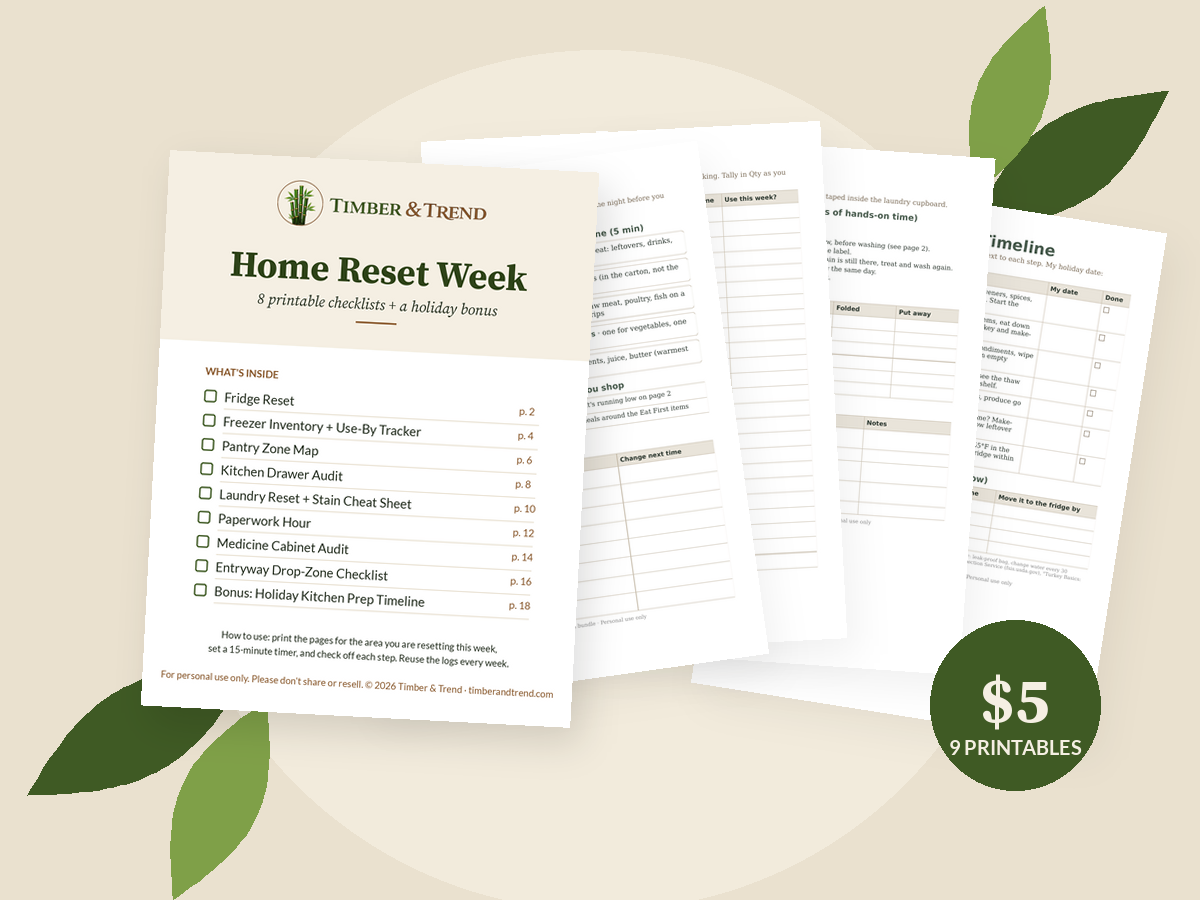
Printable bundle · $5 launch price
Get every checklist in one place
The Home Reset Week bundle has 8 printable resets (fridge, freezer, pantry, drawers, laundry, paperwork, medicine cabinet, entryway) plus a holiday kitchen prep timeline.